©️Jean-Louis Losi, Courtesy Jeanne Bucher Jaeger, Paris-Lisbonne
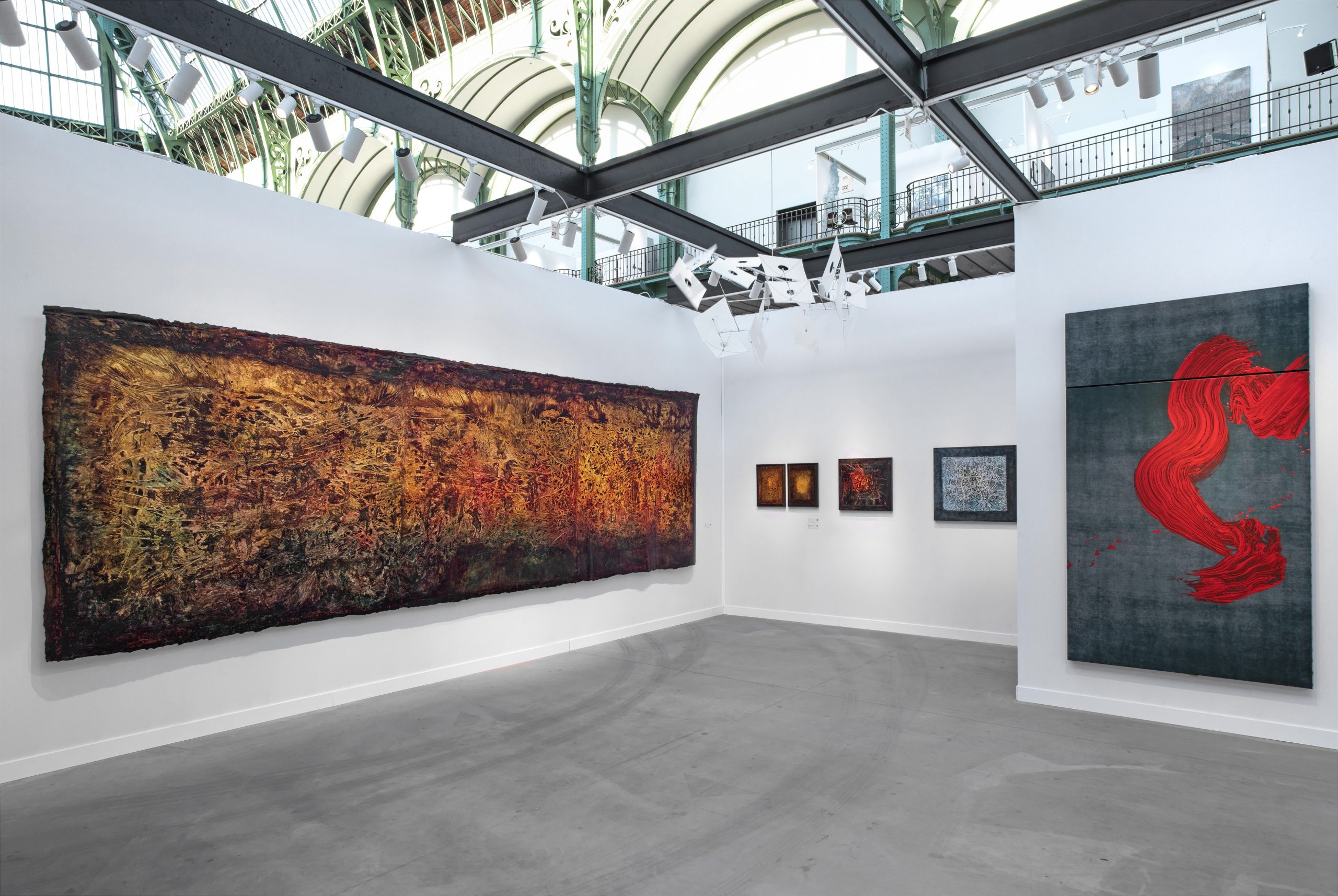
©️Jean-Louis Losi, Courtesy Jeanne Bucher Jaeger, Paris-Lisbonne
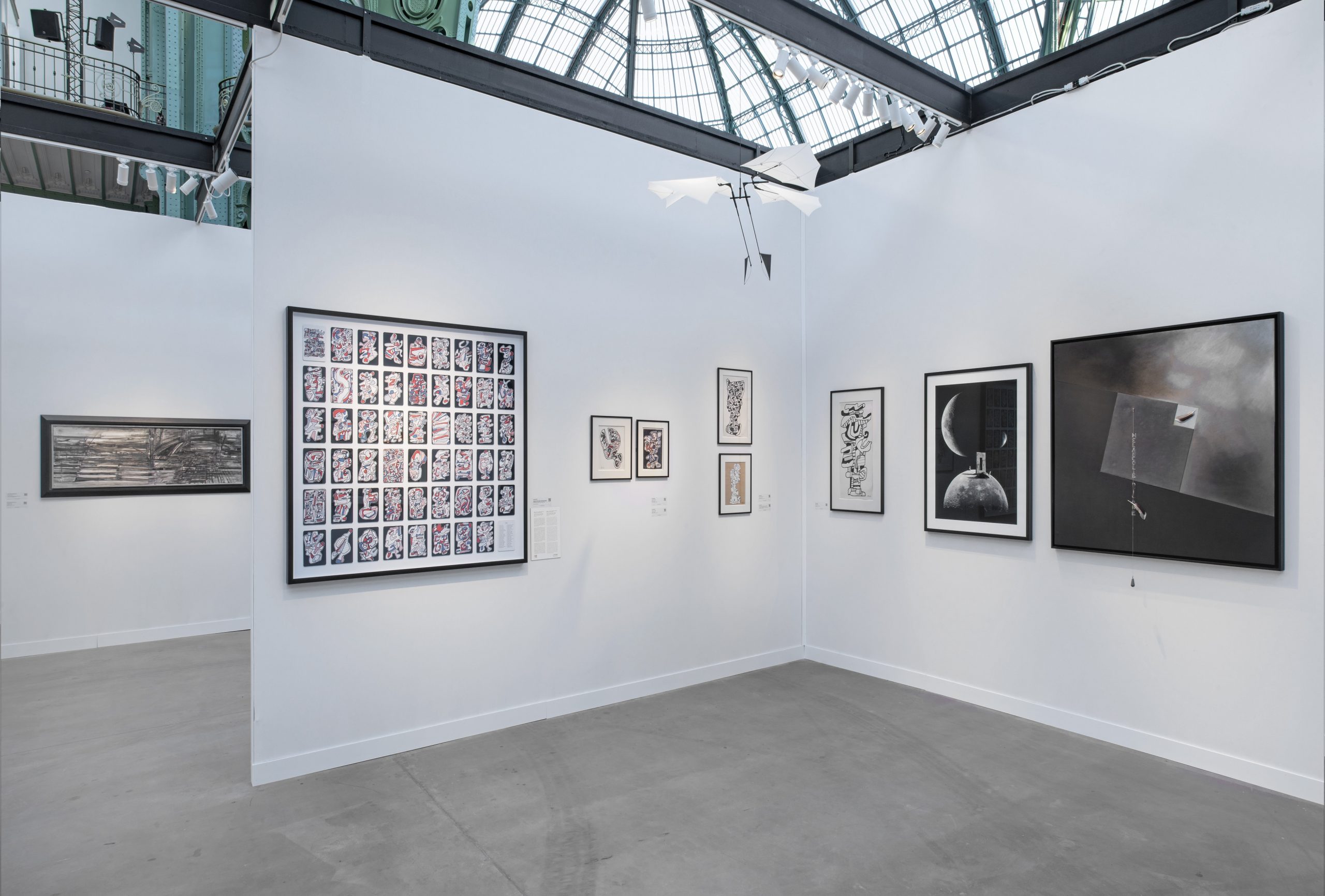
©️Jean-Louis Losi, Courtesy Jeanne Bucher Jaeger, Paris-Lisbonne
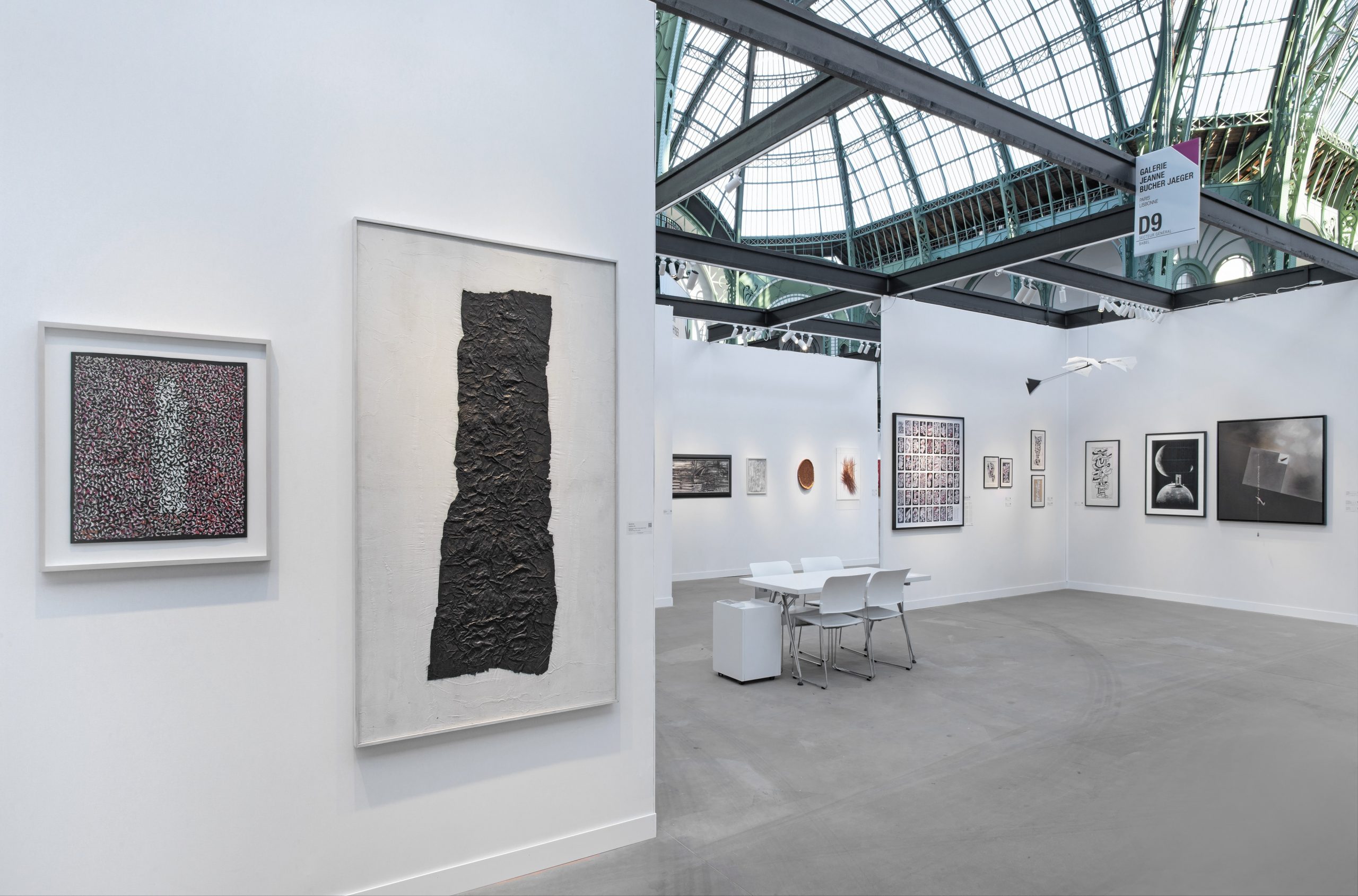
©️Jean-Louis Losi, Courtesy Jeanne Bucher Jaeger, Paris-Lisbonne
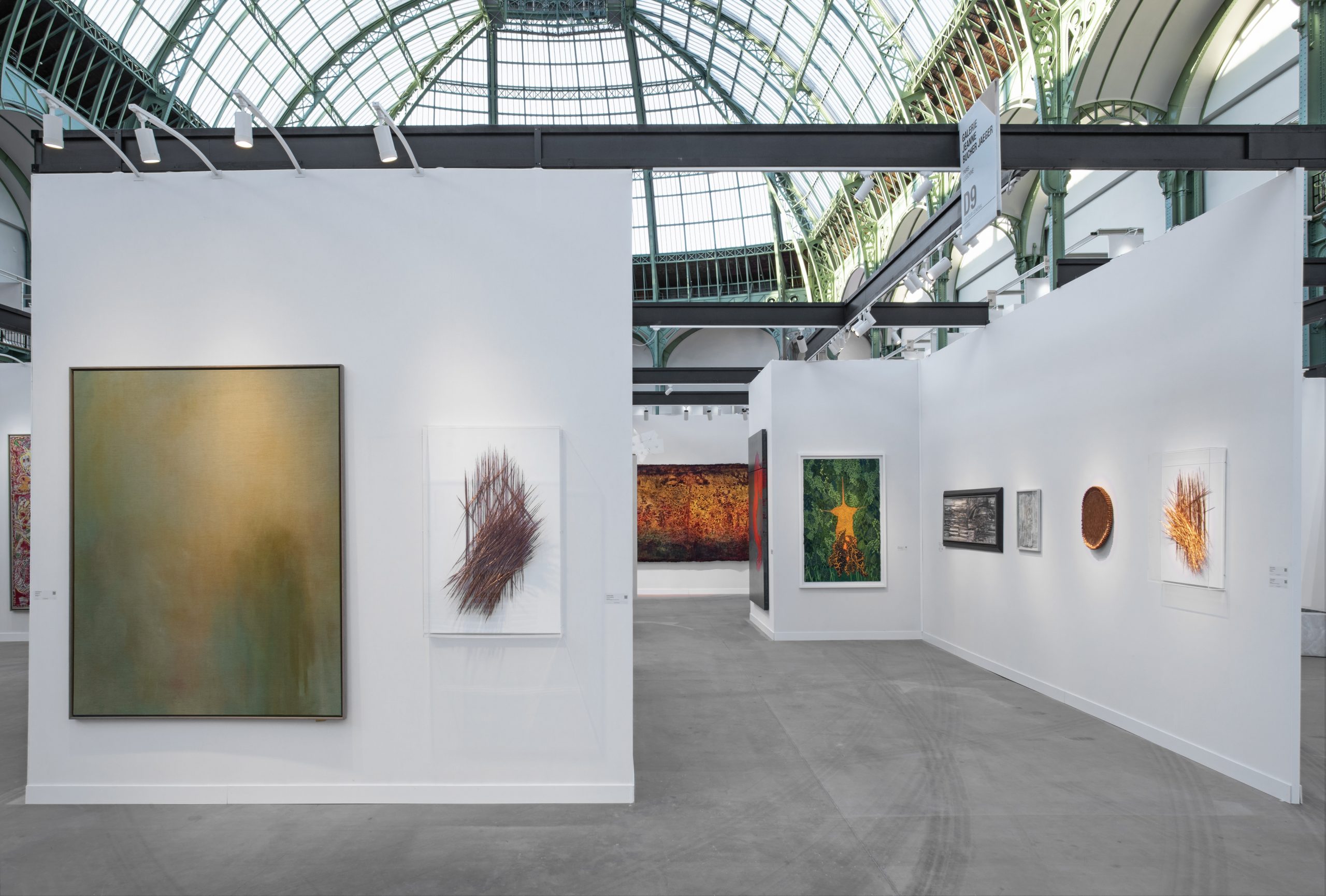
©️Jean-Louis Losi, Courtesy Jeanne Bucher Jaeger, Paris-Lisbonne
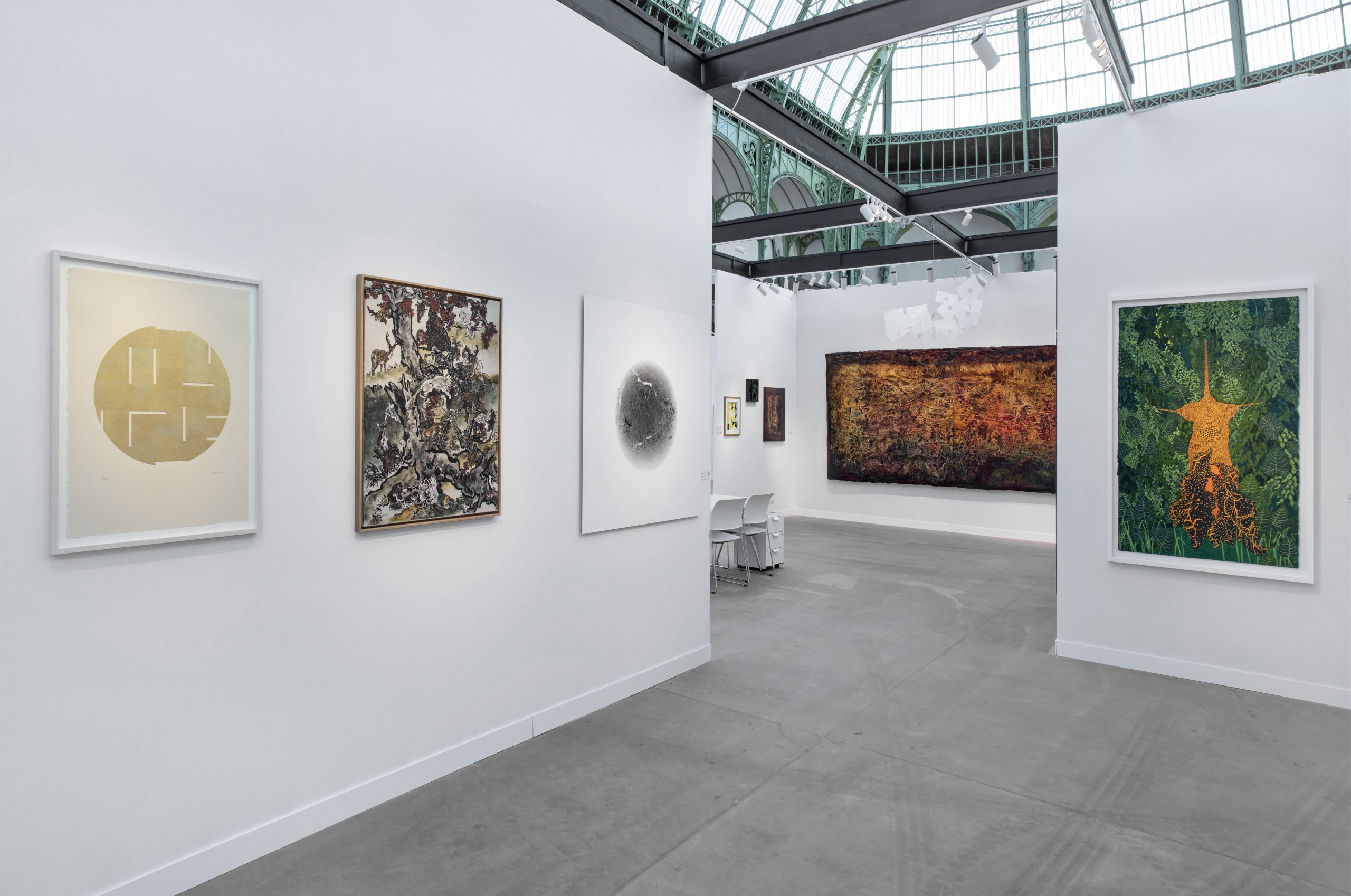
©️Jean-Louis Losi, Courtesy Jeanne Bucher Jaeger, Paris-Lisbonne
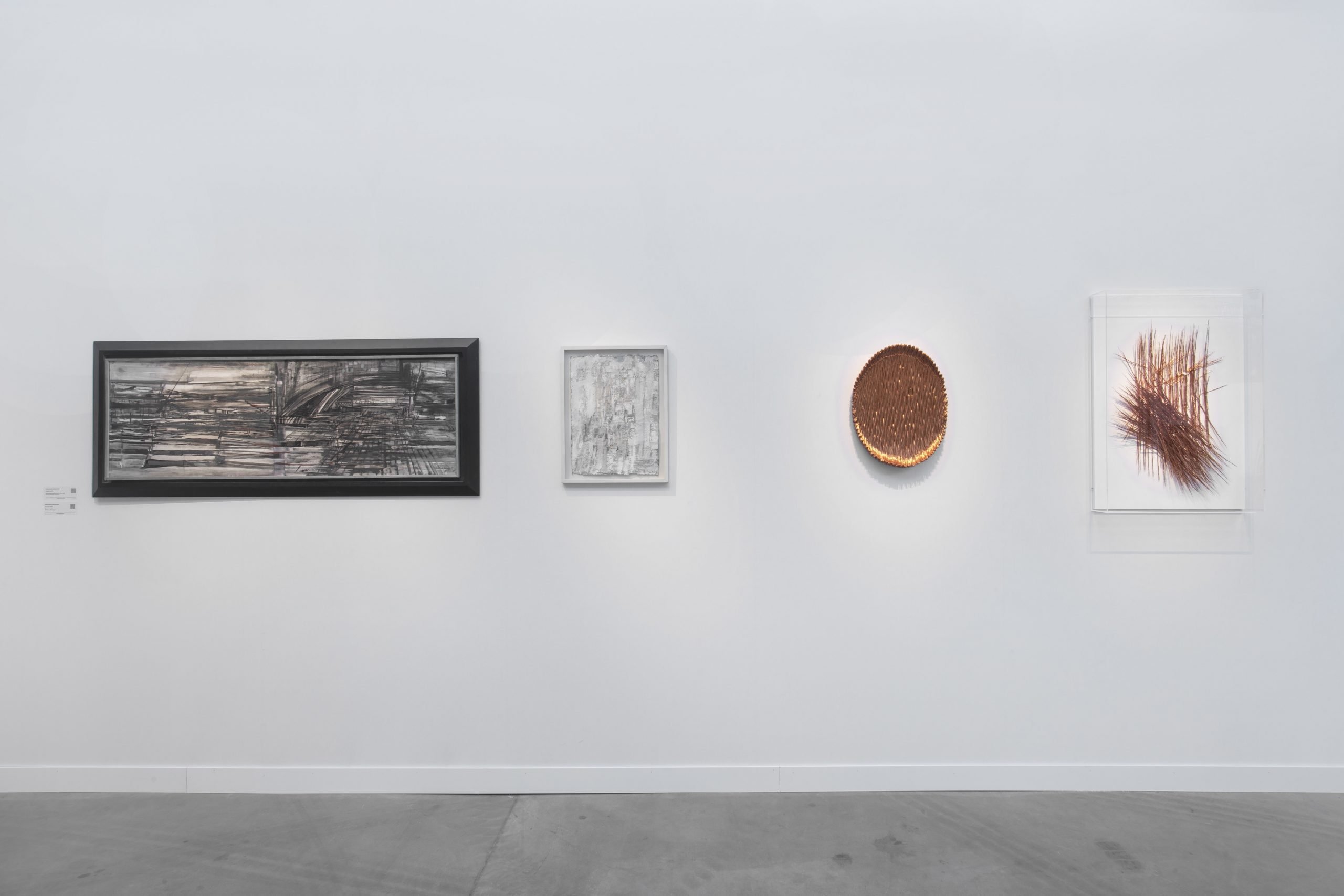
©️Jean-Louis Losi, Courtesy Jeanne Bucher Jaeger, Paris-Lisbonne
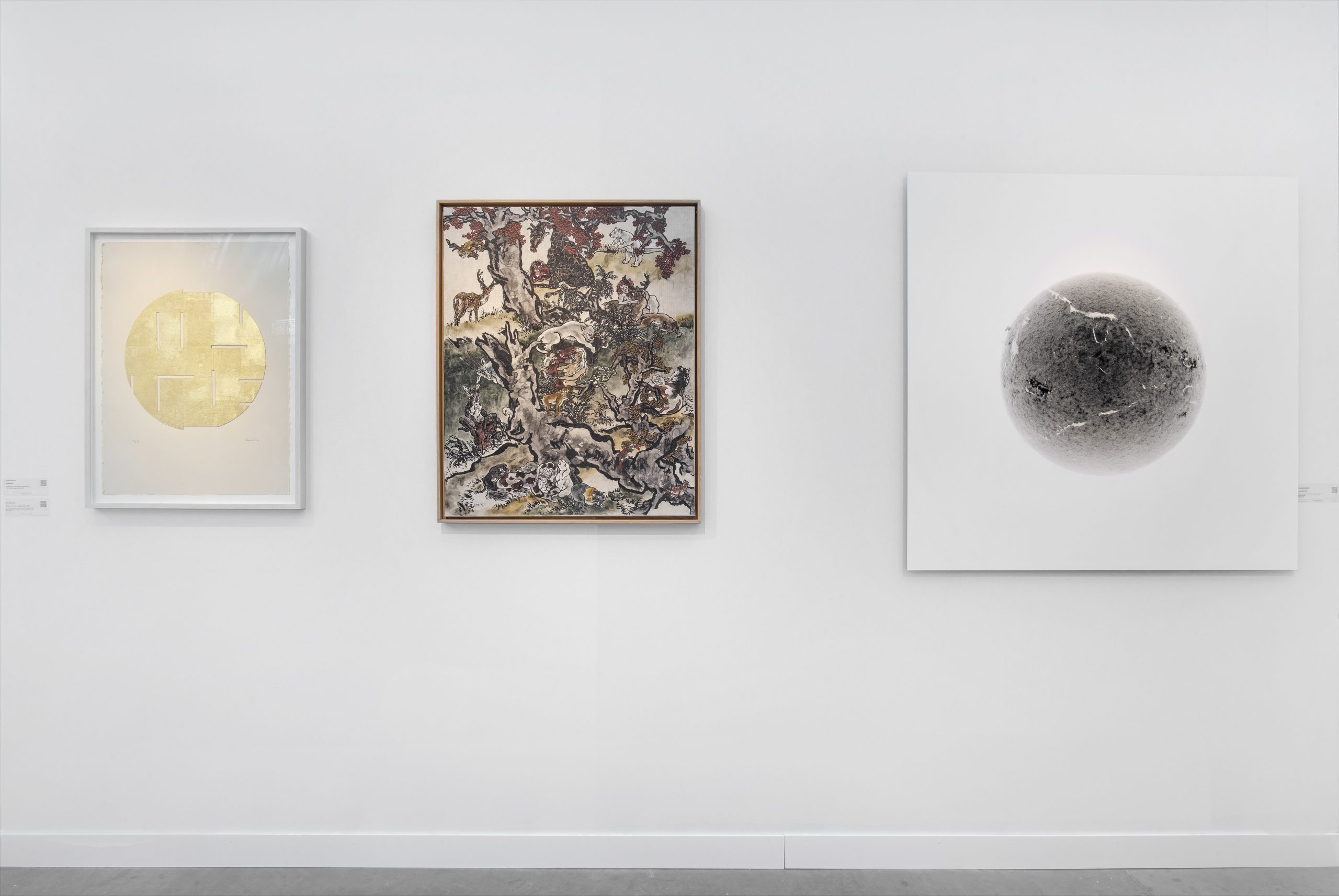
©️Jean-Louis Losi, Courtesy Jeanne Bucher Jaeger, Paris-Lisbonne
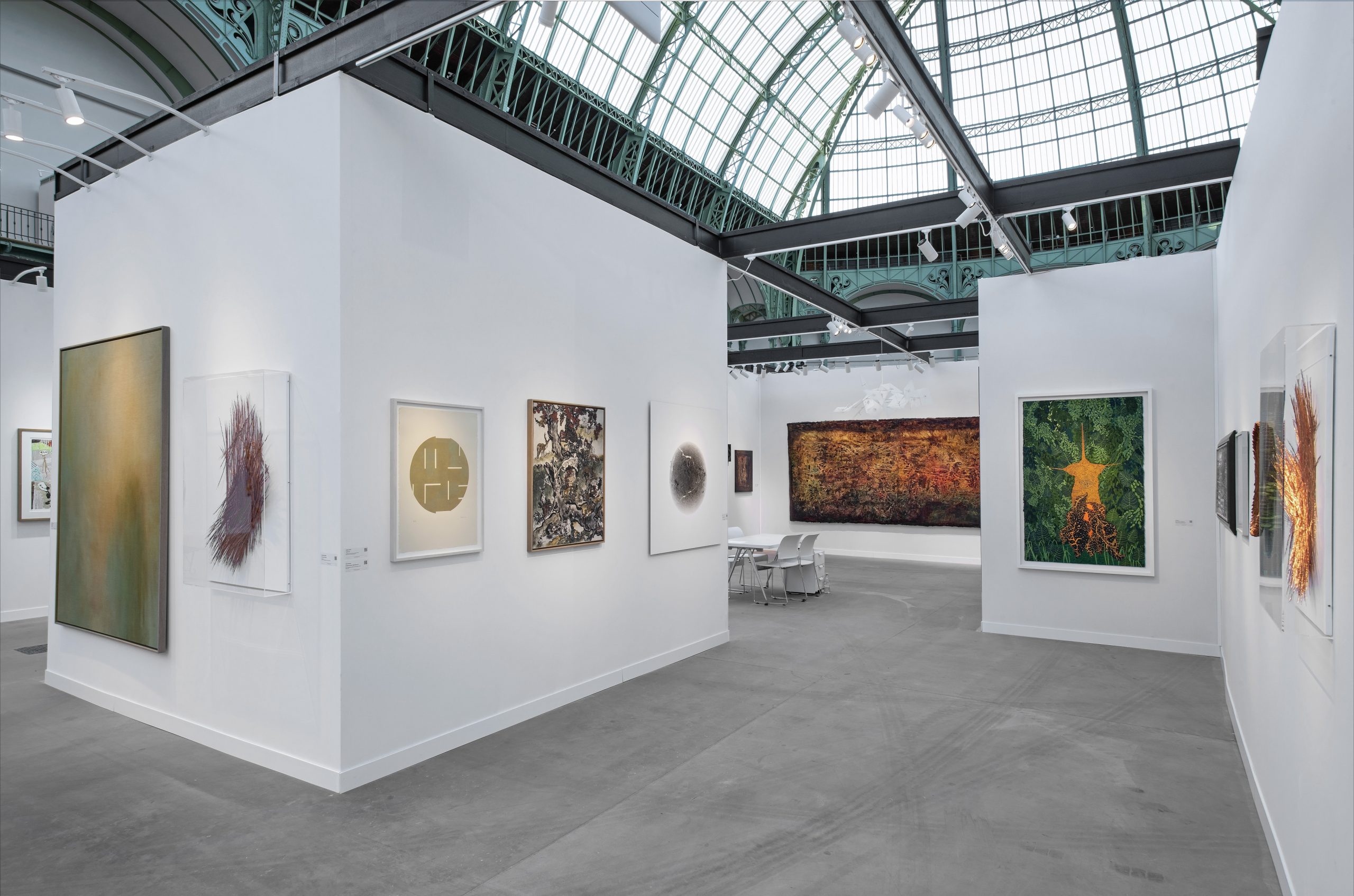
©️Jean-Louis Losi, Courtesy Jeanne Bucher Jaeger, Paris-Lisbonne
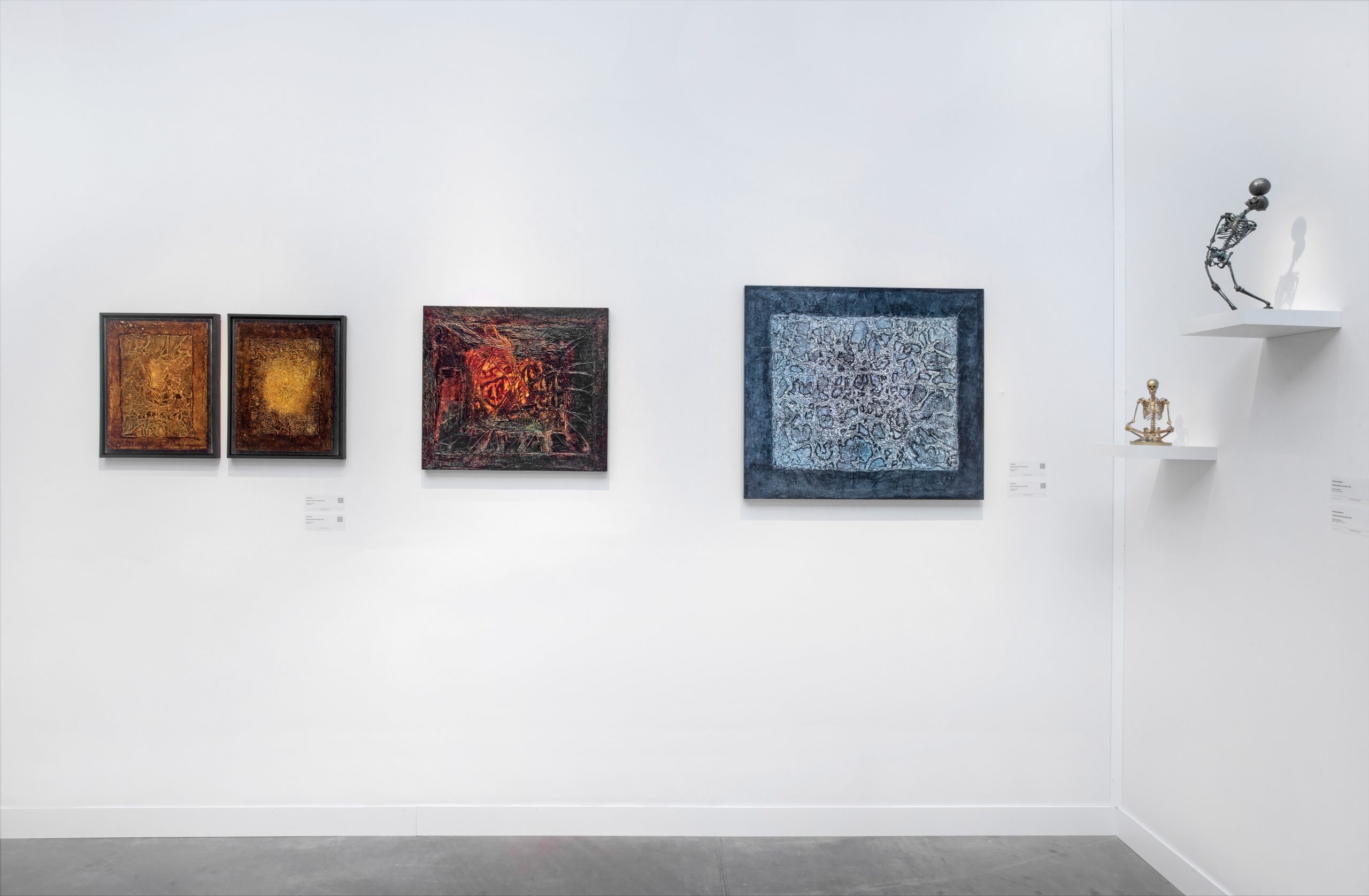
©️Jean-Louis Losi, Courtesy Jeanne Bucher Jaeger, Paris-Lisbonne
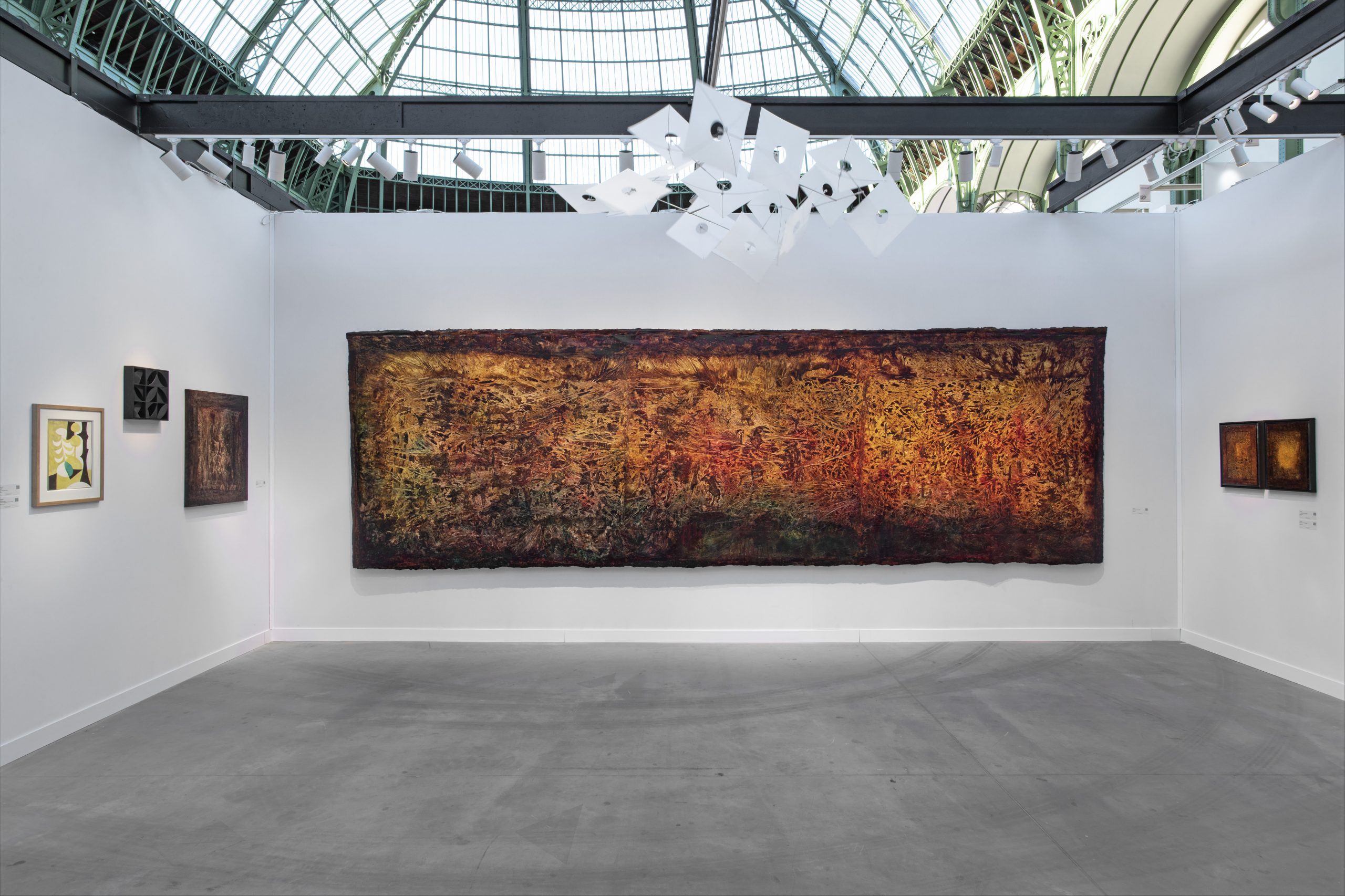
©️Jean-Louis Losi, Courtesy Jeanne Bucher Jaeger, Paris-Lisbonne
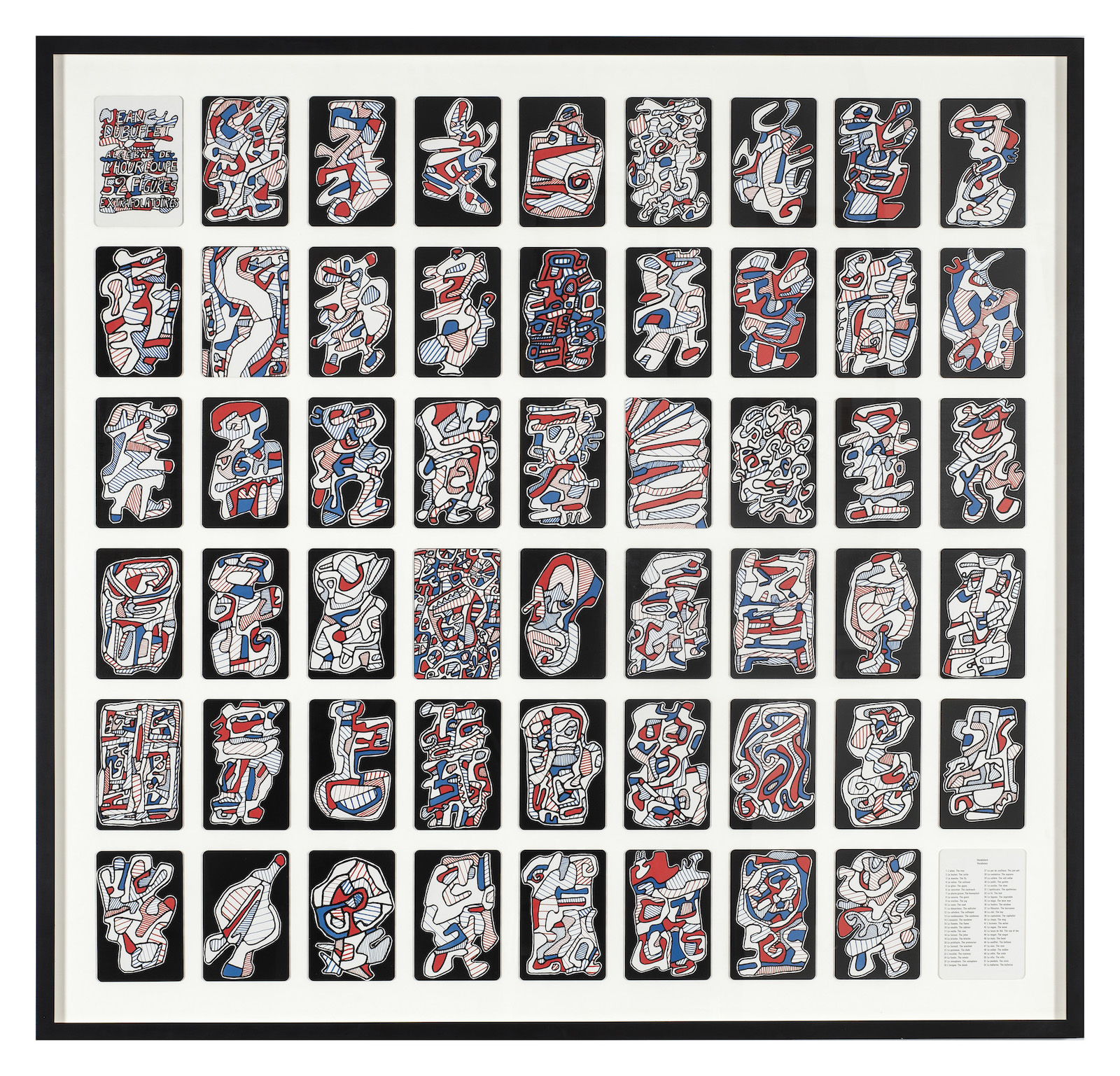
Jeanne Bucher Publishers, Paris, and Beyeler, Basel, 138 x 128 cm
©️Jean-Louis Losi, Courtesy Jeanne Bucher Jaeger, Paris-Lisbonne
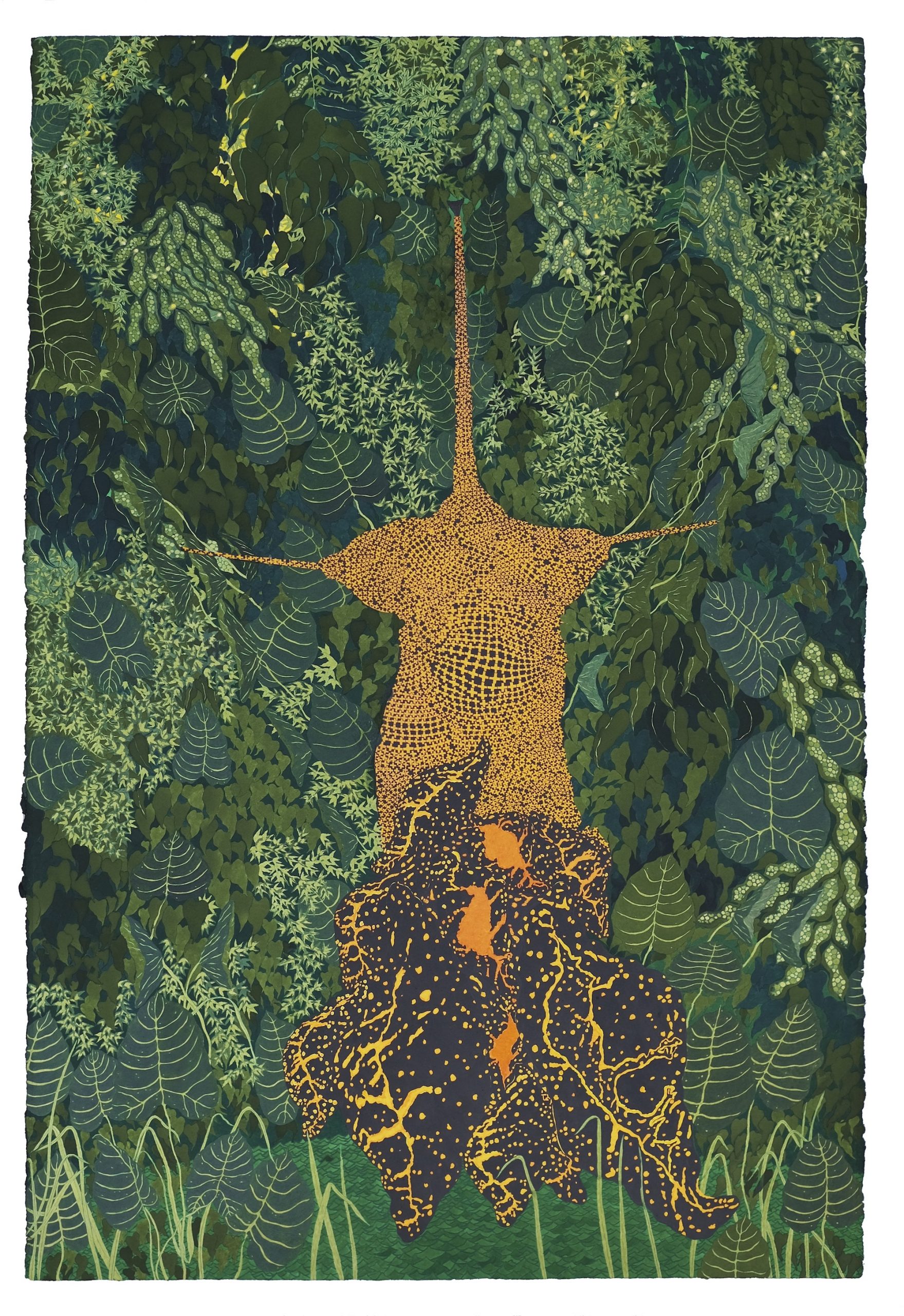
Gouache, watercolor, pencil, and gel pen on paper, 153 x 102 cm
©️All rights reserved, Courtesy Jeanne Bucher Jaeger, Paris-Lisbonne

Multiple in black plastic, 32 x32 cm, edition of 150
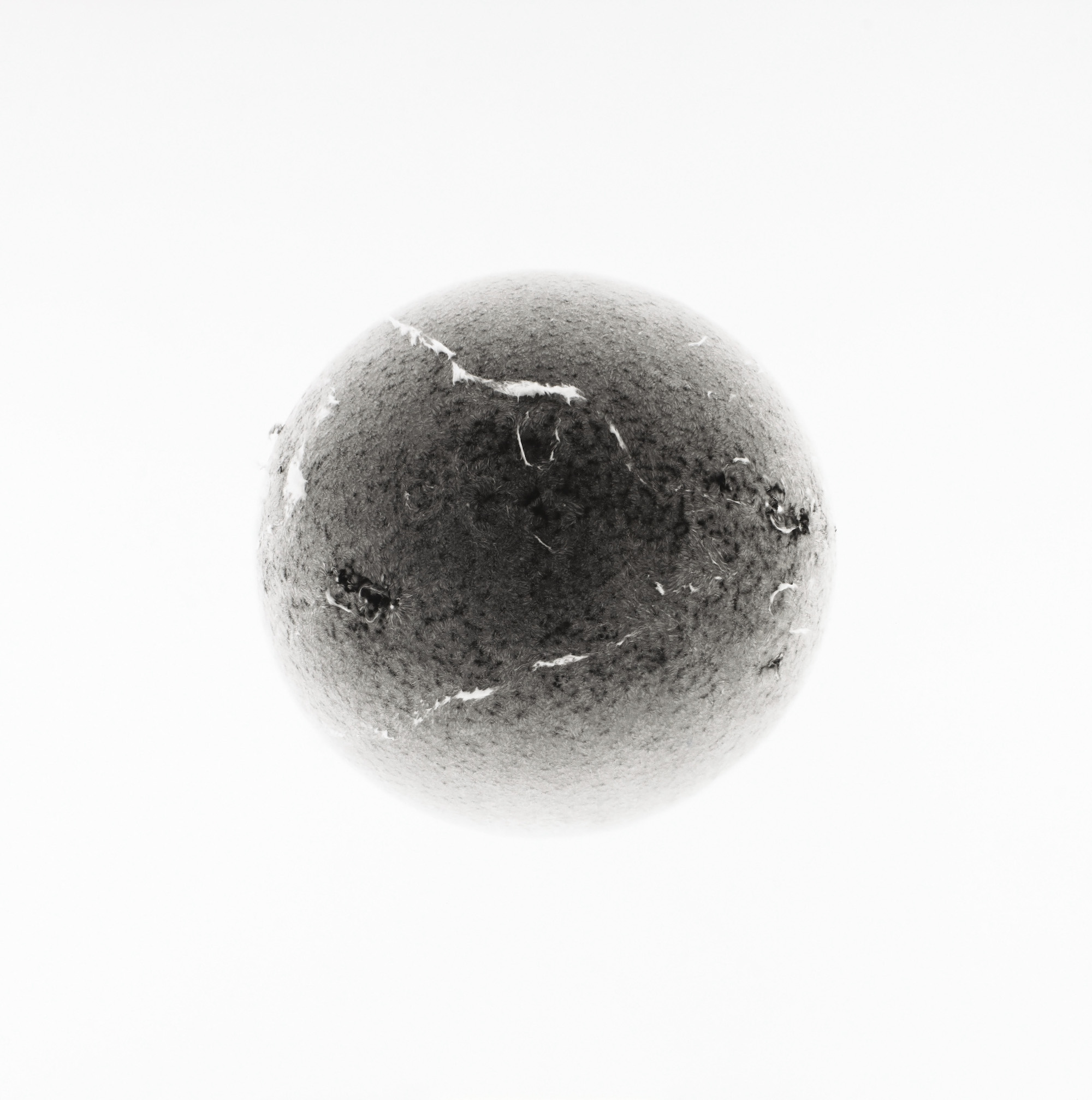
Silver gelatin print on baryta paper, 120 x 120 cm
Courtesy Jeanne Bucher Jaeger, Paris-Lisbonne
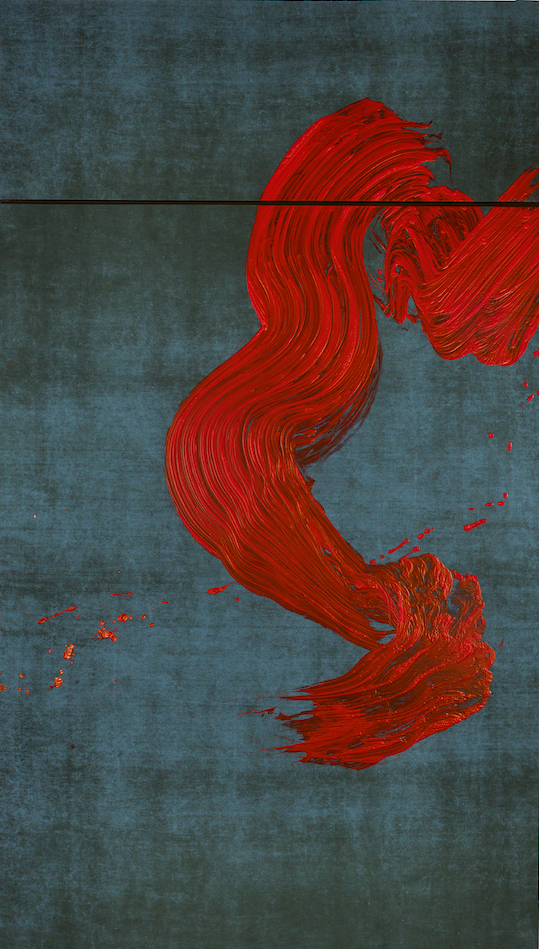
Pigments and ink on canvas, 244 x 135 cm
©️All rights reserved, Courtesy Jeanne Bucher Jaeger, Paris-Lisbon
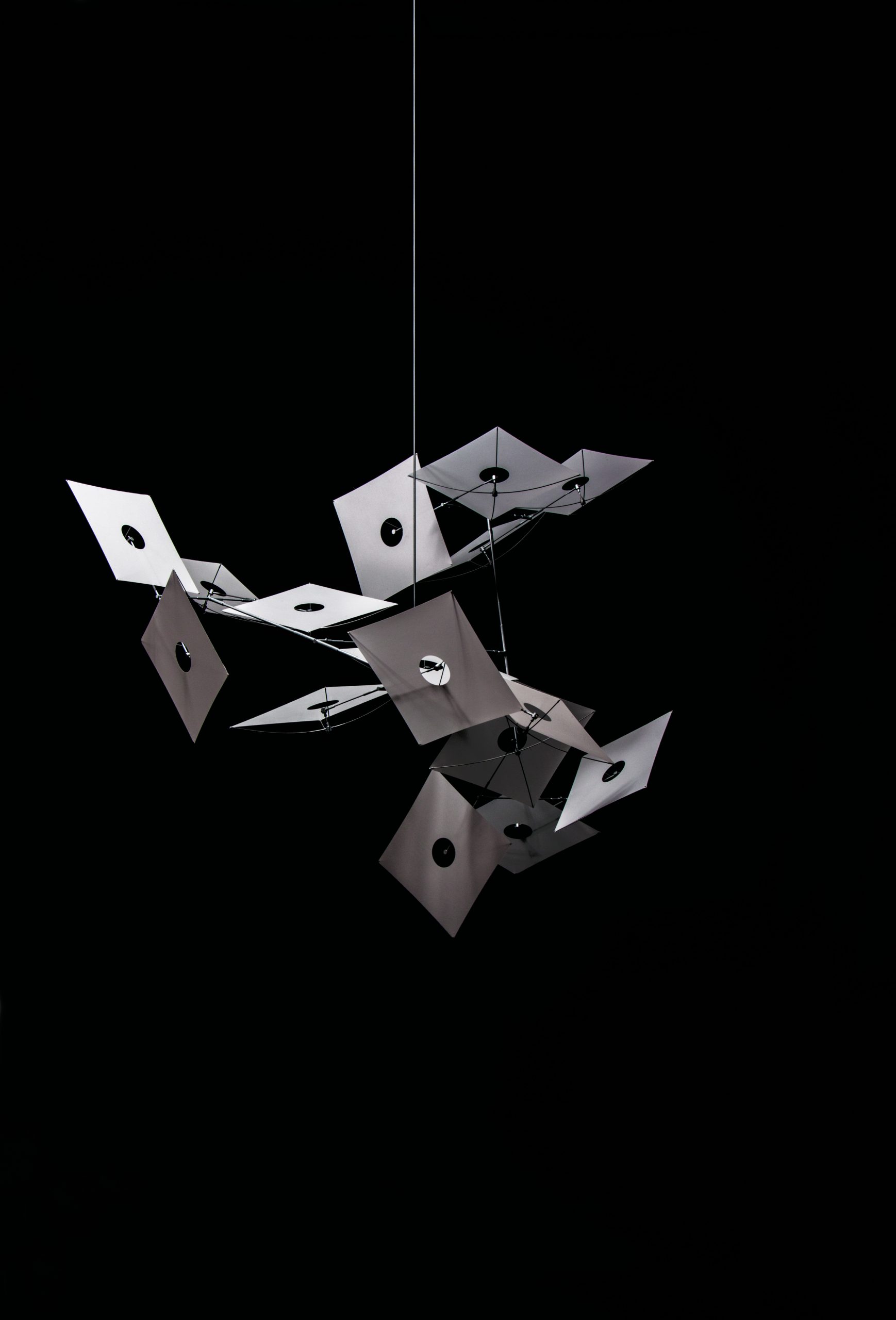
Ed. 3/5
Stainless steel, aluminum, carbon fiber, polyester cloth
H 44,9 × ø 62,9 in
Photograph by Takashi Hatakeyama
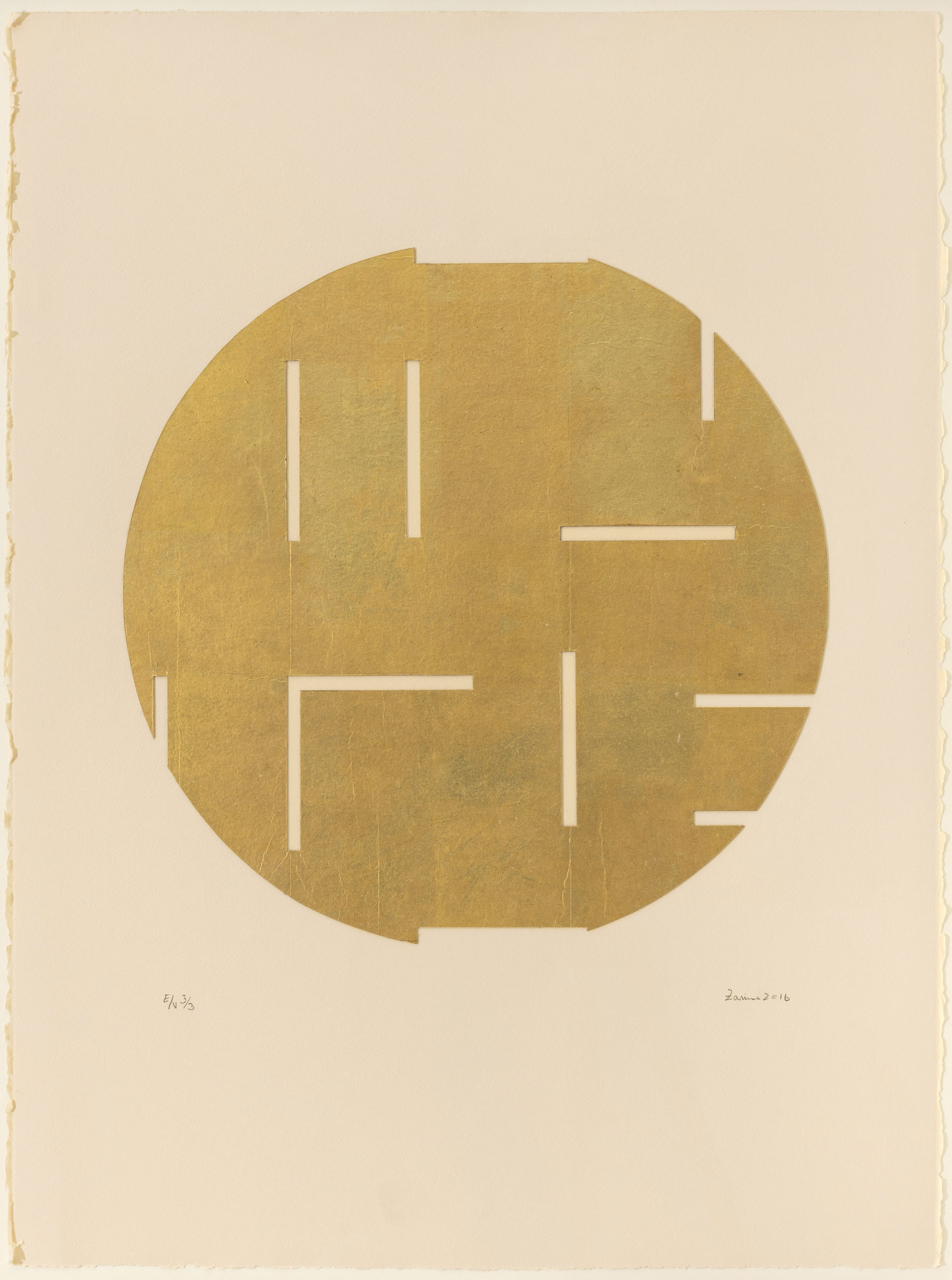
22-karat gold leaf mounted on Arches Cover buff paper
30 × 21,9 in
Photograph by Jean-Louis Losi
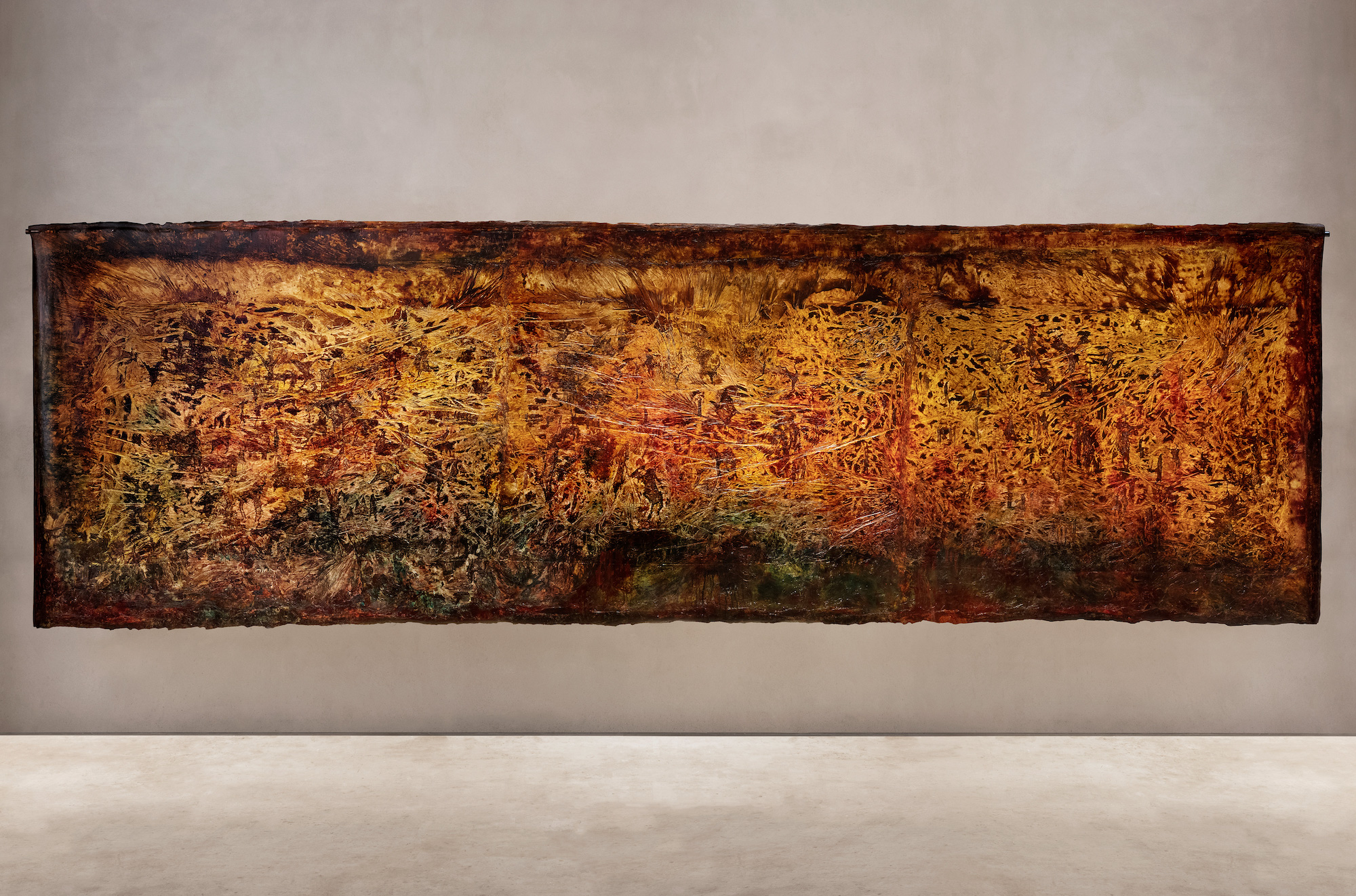
Mixed media, 90 cm x 613 cm
©️Evi Keller, Courtesy Jeanne Bucher Jaeger, Paris-Lisbonne
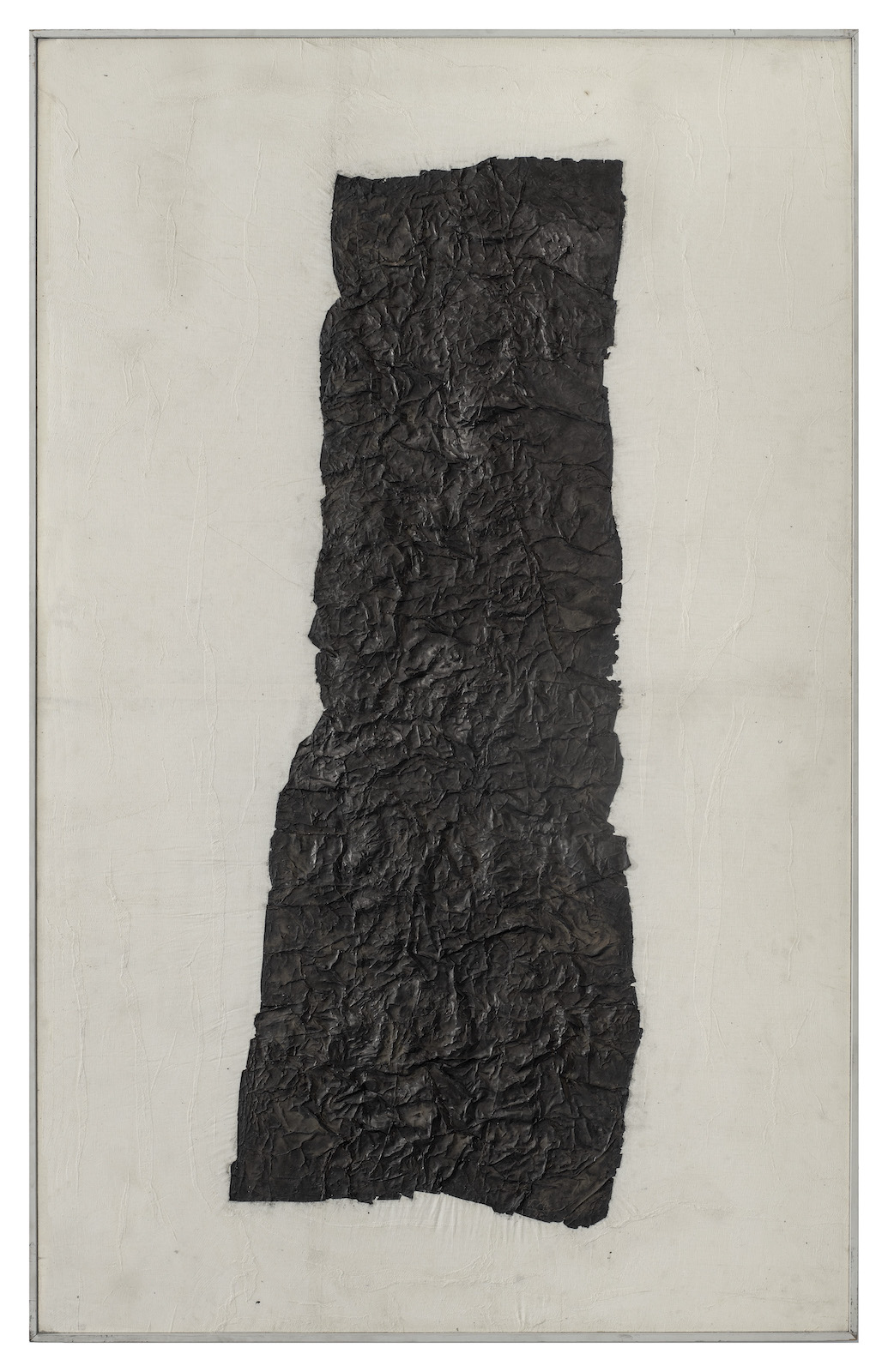
Indian ink on rice paper, gauze, and Korean paper, mounted on wood; 175 x 110 cm
©️Jean-Louis Losi, Courtesy Jeanne Bucher Jaeger, Paris-Lisbonne
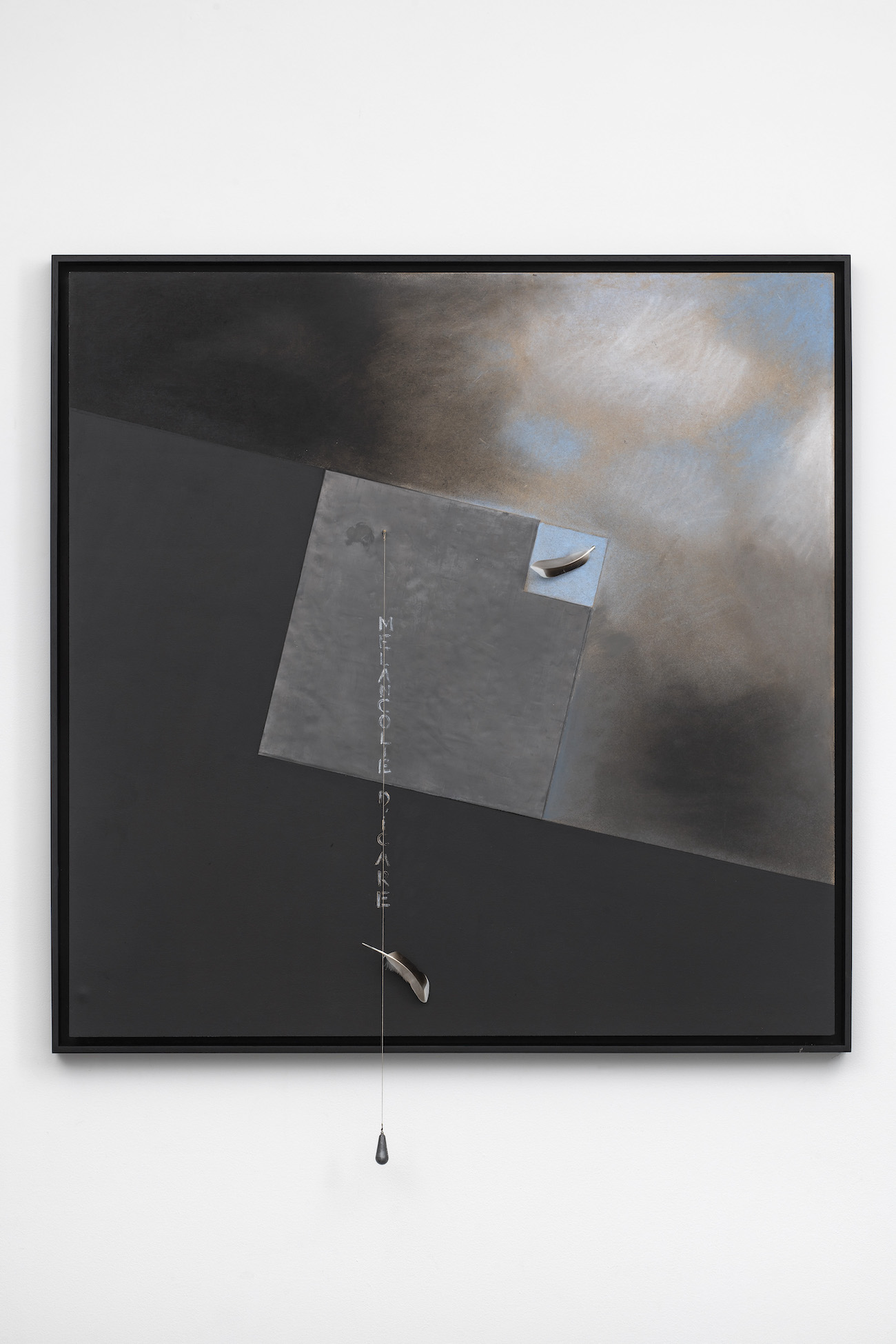
Pencil, charcoal, pastel, pen and ink, 110 x 110 cm
©️All rights reserved, Courtesy Jeanne Bucher Jaeger, Paris-Lisbon
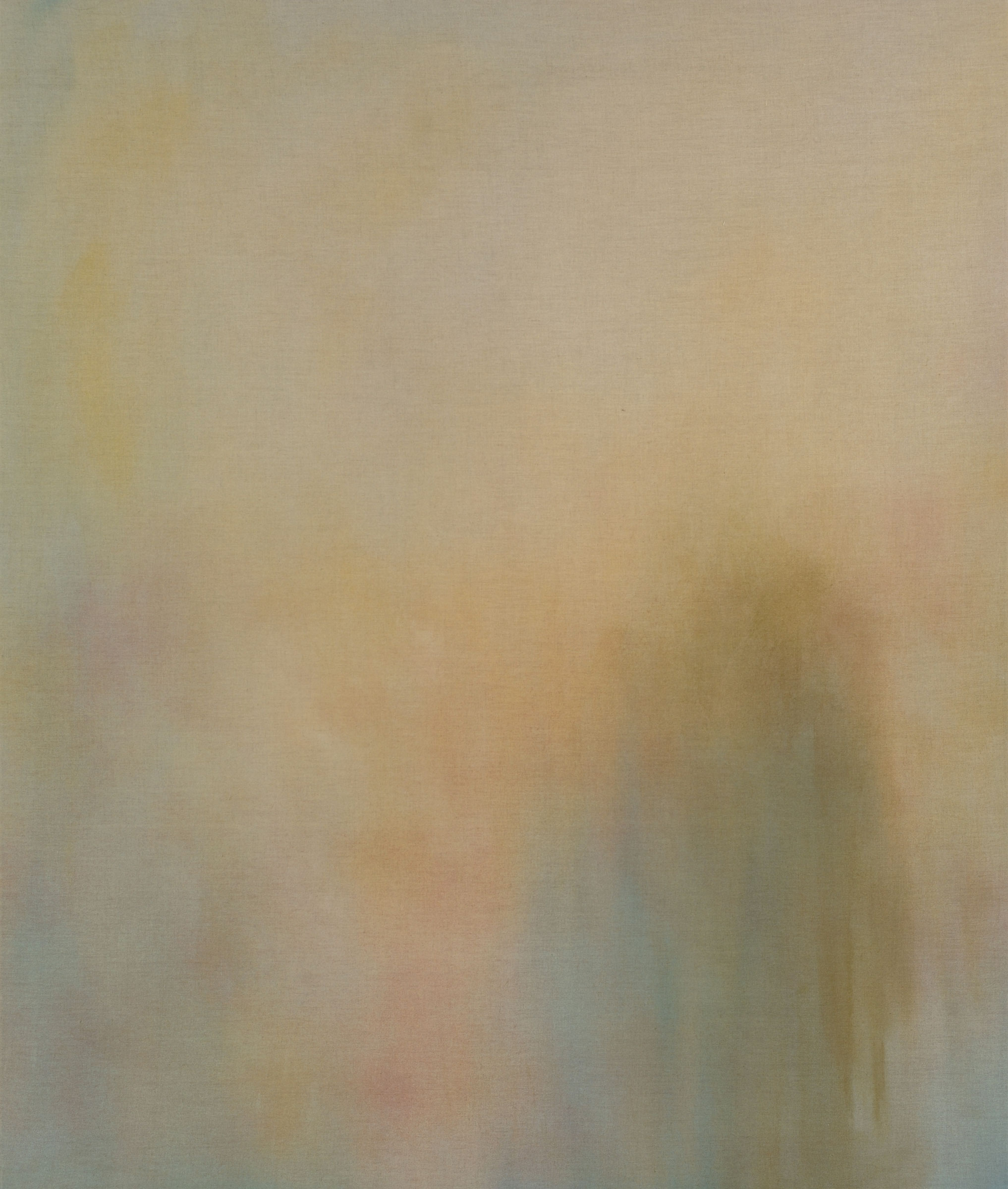
Acrylic on canvas
74,8 × 63 in
Photograph by Jean-Louis Losi
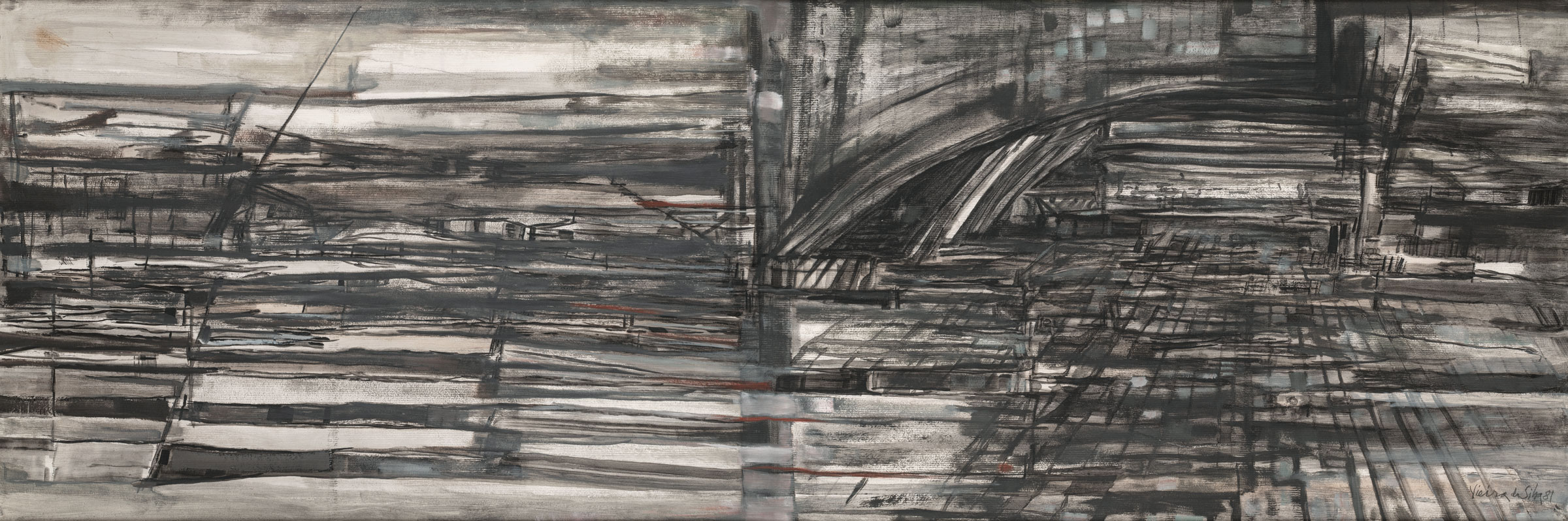
Oil on kraft paper laid down on canvas
18,7 × 55,5 in
©️Jean-Louis Losi, Courtesy Jeanne Bucher Jaeger, Paris-Lisbonne
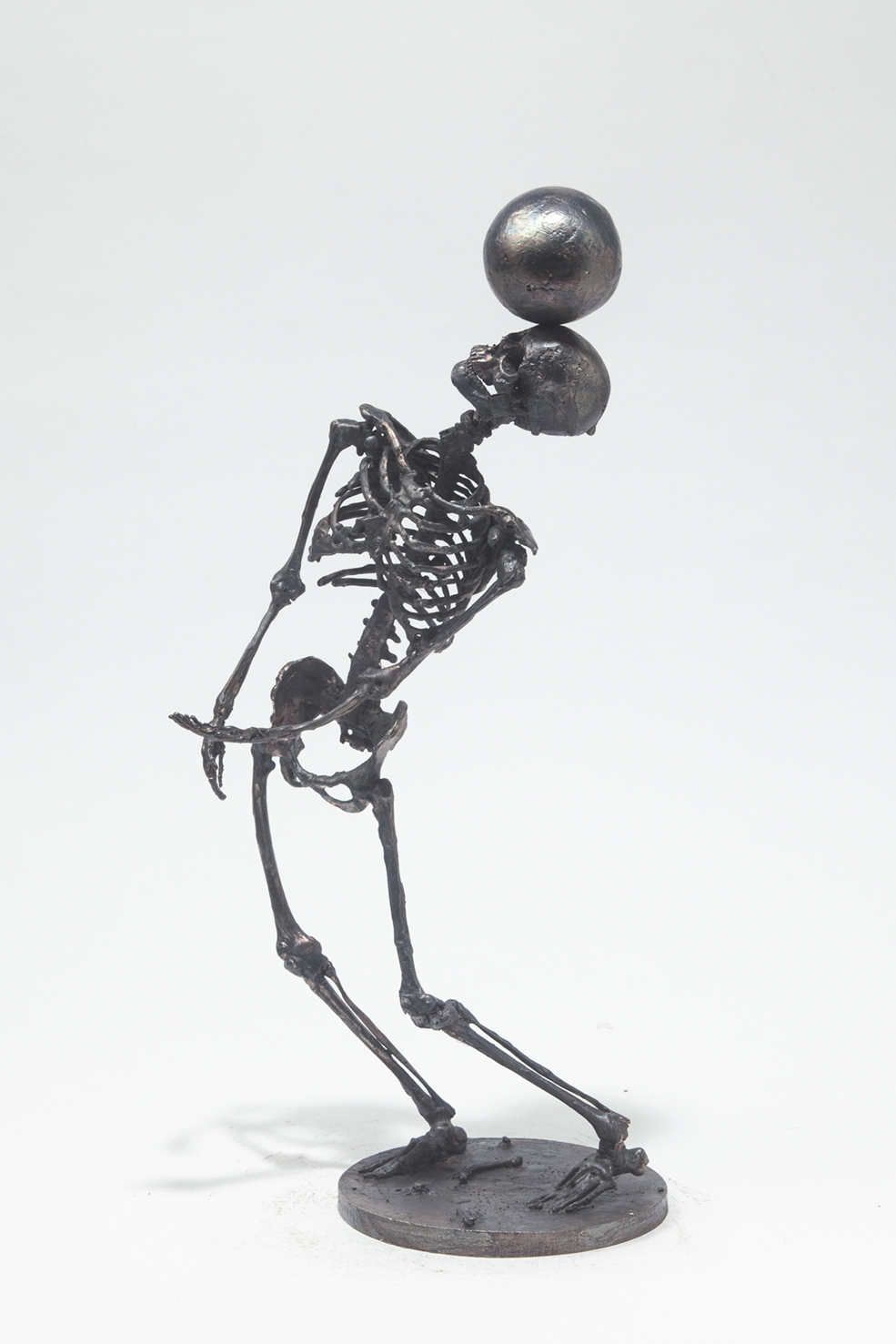
Silver-plated bronze, 34.5 x 15.3 x 11 cm
©️All rights reserved, Courtesy Jeanne Bucher Jaeger, Paris-Lisbonne
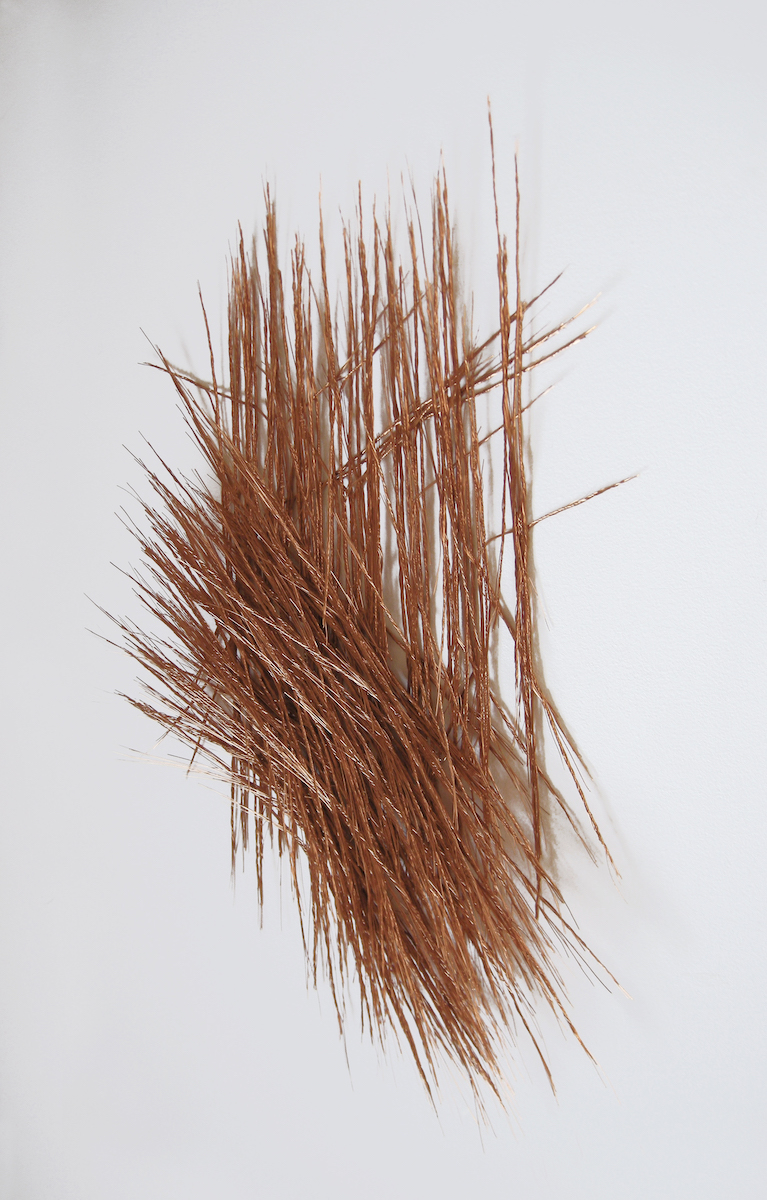
Copper wire, 70 x 48 cm
©️All rights reserved, Courtesy Jeanne Bucher Jaeger, Paris-Lisbon
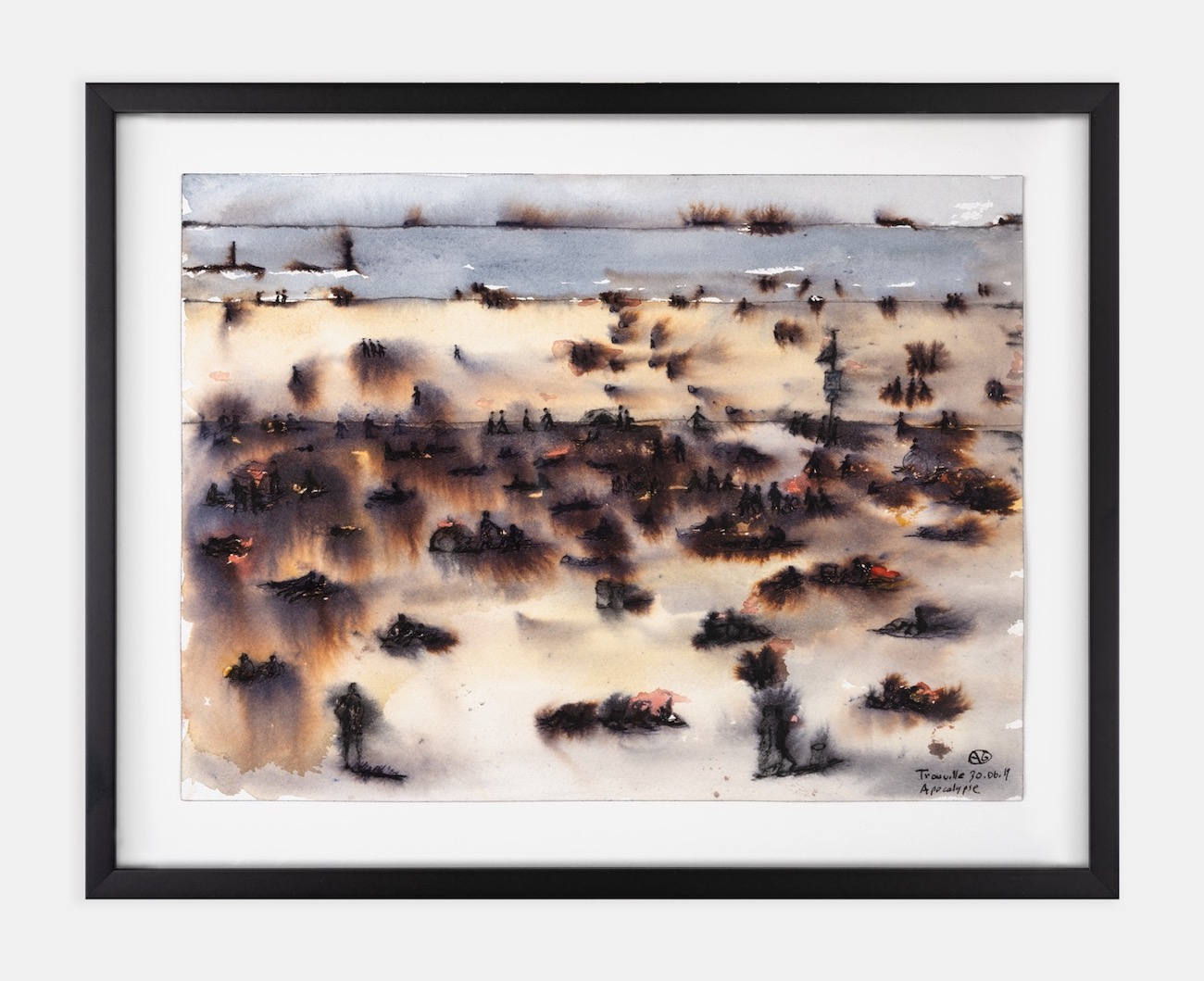
Watercolor and India ink on paper, 29.5 x 37.5 cm
©️All rights reserved, Courtesy Jeanne Bucher Jaeger, Paris-Lisbon
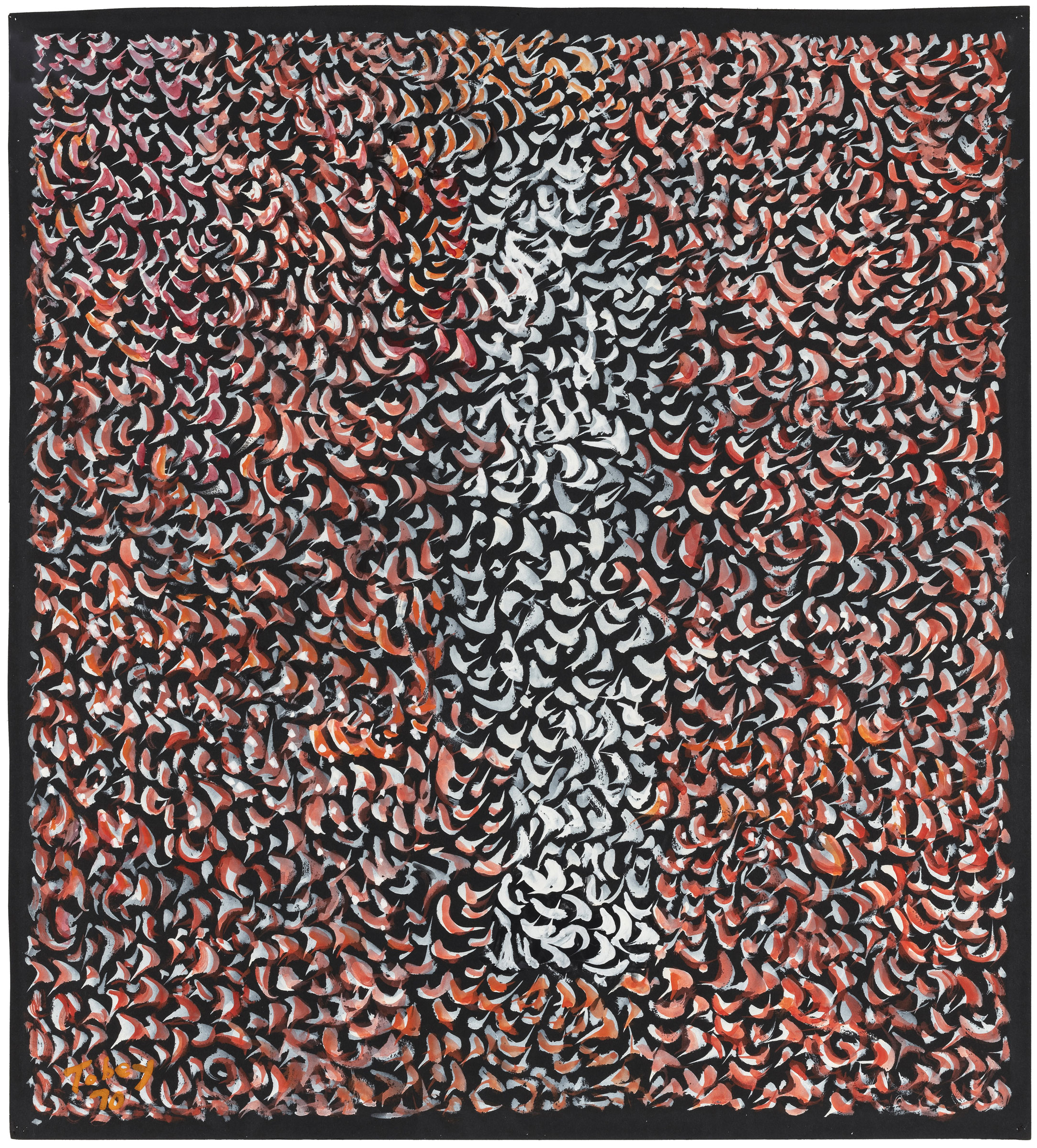
Gouache on paper
20,9 × 18,5 in
Photograph by Jean-Louis Losi
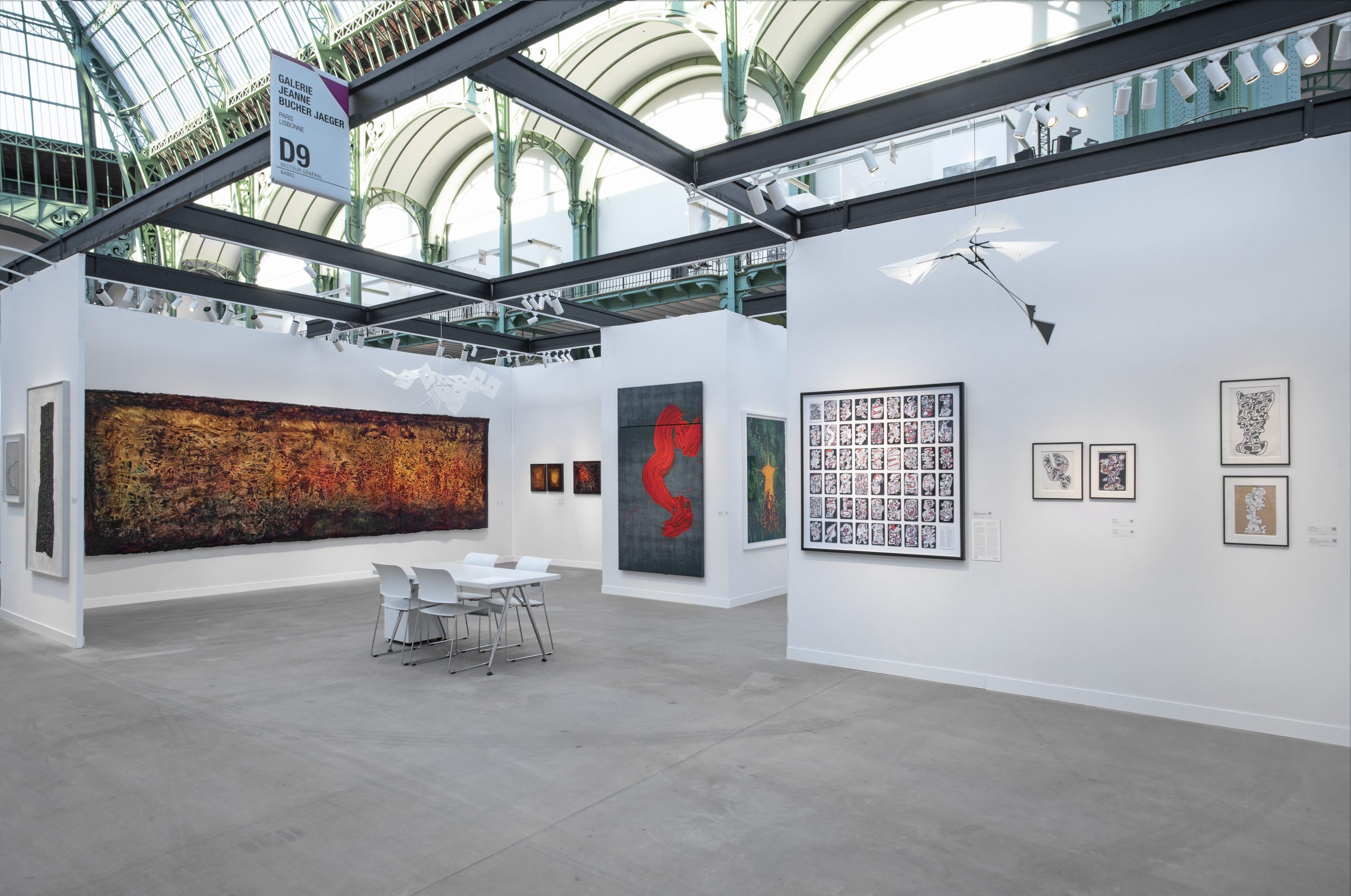
ART PARIS 2026
Guillaume Barth, Michael Biberstein, Miguel Branco, Jean Dubuffet, Antoine Grumbach, Evi Keller, Rui Moreira, Louise Nevelson, Jean-Paul Philippe, Susumu Shingu, Maria Helena Vieira da Silva, Mark Tobey, Fabienne Verdier, Yang Jiechang, Zarina, Antonella Zazzera…
April 9-12, 2026
Grand Palais, Paris
Jean Dubuffet selected for curator Loïc Le Gall’s focus – “Babel – Art and Language in France”
By opposing an excessive standardisation of visual and linguistic cultural forms, Jean Dubuffet profoundly renewed the relationship between art and language. Early on, he rejected aesthetic hierarchies and the dominant usages of language, preferring a form of expression set free from academic frameworks. Writing is central to his work, it provides an instinctive raw material—scrawl-like markings that seem to be shouting out or expressing an inner monologue.
His works incorporate signs and symbols, words and pseudo-writings evocative of a child’s handwriting or an imaginary language. This research resonates with Antonin Artaud, for whom language—if it was to regain a vital, physical intensity—had to be wrested from its rational usage. Dubuffet also maintained a fruitful dialogue with Jean Paulhan, a key figure known for his reflections on the subject of language, clichés and the mechanisms of cultural legitimation.
By advocating “art brut”, Dubuffet was defending an emancipated form of language born of marginality and non-knowledge. In his work, writing, drawing and painting stem from the same gesture: a desire to reinvent an undisciplined, primitive language that is capable of rendering reality without submitting it to the order of discourse.
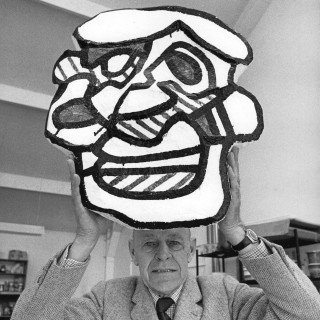
These reflections are particularly explicit in the works that comprise “L’Hourloupe”. In this cycle, Dubuffet develops an artistic vocabulary ofcompartmentalised, repeatable forms that could be combined together to constitute a visual grammar. Some works, such as “L’Algèbre de l’Hourloupe”, embrace this systemic dimension: its figures act as elementary units comparable to letters or symbols whose meaning lies in relations and combinations. Language becomes a play of open structures in which meaning emerges from usage rather than from a pre-established message.
-Loïc Le Gall